


 استشارة مجانية

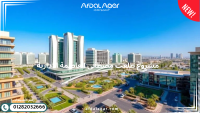
Sheikh Zayed City is one of Greater Cairo’s most livable planned cities — and the reason is built into its design: services were distributed across neighborhoods before a single building went up, so no district feels “forgotten.” But that same balance makes choosing harder, not easier: with dozens of quality compounds spread across the city’s neighborhoods, the real question isn’t “is Sheikh Zayed good?” — it’s “which part of it, at which budget, fits your life?” This guide breaks the city down honestly and helps you answer that.

How Sheikh Zayed is actually organized
The city divides into numbered neighborhoods (the 1st through 20th), each planned with its own commercial spine, schools, and green corridors. The practical differences between them come down to three variables: building density (some districts allow more built-up area than others), green ratio (the higher-end districts reserve more land for landscape), and position relative to the main axes — the 26th of July Corridor, the Cairo-Alexandria Desert Road, and the Northern Summer Rail link areas.
In plain terms: the lower-numbered, older districts are complete and quieter; the newer western extensions offer fresher compounds at lower entry prices with more construction around them. Neither is “better” — they serve different timelines and budgets.
The compound map: three tiers, honestly described
| Tier | Character | Typical buyer |
|---|---|---|
| Established flagship compounds | Mature landscaping, full amenities operating today, higher per-meter prices | Families wanting zero waiting, strong resale liquidity |
| Mid-tier community compounds | Delivered or delivering now, balanced pricing, growing amenities | Value-focused families and first compound buyers |
| New western-extension projects | On-plan or early delivery, longer payment terms, lower entry | Investors and buyers with flexible timelines |
Use the tiers to frame your search, then judge each compound on its own record — the gap between the best and worst compound inside any tier is wider than the gap between the tiers themselves.
What to verify on every visit (the 20-minute checklist)
- Operating vs. promised amenities: walk into the clubhouse, the supermarket, the clinic. “Opening soon” signs age poorly in brochures and expensively for residents.
- Green reality check: ask how old the planted trees are — mature landscaping means years of established roots and shade; fresh saplings mean a decade of waiting.
- Commute test at your actual hour: drive from the compound gate toward your workplace at the hour you’d actually leave.
- Service-charge history: ask existing residents (not sales staff) how charges moved over the past three years.
- Delivery record: for on-plan units, check what the developer delivered before — dates honored or slipped?
Five checks, twenty minutes, and you’ll know more than a weekend of brochures can tell you.
Who is Sheikh Zayed right for?
Strong fit: families prioritizing calm, green, low-density living with solid schools; buyers working in west Cairo or hybrid workers who commute two or three days a week; anyone sensitive to air quality and noise — the city’s width and green ratios genuinely deliver on that.
Think twice: if your office is in Nasr City or New Cairo, the daily cross-city commute is the tax you’ll pay every single working day. Zayed rewards west-anchored lives; it punishes east-anchored ones slowly but surely.
Schools and education: the quiet advantage
Ask families who moved to Zayed why they stayed, and schools top the list. The city hosts a dense cluster of international and language schools — British, American, IB, and national-language tracks — within its own boundaries, meaning the school run is a neighborhood drive, not a cross-city expedition. This density matters twice: once for your daily life, and once at resale time, because the pool of buyers who “need to be near these schools” keeps demand for your unit permanently refreshed.
Practical tip: before choosing a compound, shortlist two or three realistic schools for your children first, then measure compounds against them. Families who buy first and school-shop second often end up compromising on one of the two.
The road network: three ways in and out
Zayed connects to Greater Cairo through three main arteries, and knowing them tells you which part of the city fits you. The 26th of July Corridor shoots you straight toward the heart of Cairo — ideal if eastbound commutes are occasional but real. The Cairo-Alexandria Desert Road serves the northern edge — your gateway for north-coast weekends and Alexandria trips. And the Ring Road links wrap the city into the greater network for everything else. Compounds near the July Corridor entrances trade at a premium for a reason: exit speed compounds daily.
One honest warning: west Cairo’s growth is outpacing some junction capacity at peak hours. Test drives matter more here than in most cities — the same compound can be 25 minutes or 55 minutes from central Cairo depending on the hour and the route you’d realistically take.
Investment logic in Zayed: what actually appreciates
Three patterns repeat across the city’s two-decade history. First, land-adjacent value: compounds with generous footprints appreciate steadier than dense towers, because scarcity of land is the permanent trend. Second, school-proximity premium: units within short drives of the major international schools hold resale demand through every market cycle — families pay for the school run. Third, exit-speed premium: the closer to the main corridor entrances, the wider your future buyer pool, because commuters from multiple directions can consider you.
Rental demand is quieter than New Cairo’s but steadier in character: corporate tenants, embassy and multinational staff, and university families — tenants who stay years, not months, which means lower churn cost and fewer void periods for landlords.
Zayed vs 6th of October: the neighborly comparison
| Dimension | Sheikh Zayed | 6th of October |
|---|---|---|
| Overall density | Lower — more land per unit | Higher — more vertical growth |
| Entry pricing | Generally higher per meter | Broader budget range, lower floors |
| Schools density | Very high within city | Strong but more spread out |
| Commercial energy | Calmer, residential character | Livelier — malls, business districts |
| Best for | Quiet family living | Budget range + activity |
The two cities are neighbors, not rivals: October gives you more energy and more budget options; Zayed gives you more calm per meter. Couples often shortlist one compound in each — and the tiebreaker is usually lifestyle temperament, not spreadsheet math.
A budget-based shortlist strategy
Rather than touring randomly, structure your search by budget band. Premium band: established flagship compounds in the central districts — pay for maturity and liquidity. Mid band: delivered or delivering communities where prices reflect real amenities rather than promises — the value sweet spot for most families. Entry band: the western extensions on plan — accept construction timelines in exchange for lower entry and longer installments, and buy only from developers with local delivery records.
Whichever band you’re in, the compound’s position inside its tier matters more than the tier itself — a well-run mid-tier community outperforms a neglected flagship every time.
FAQ
Is buying on-plan in Zayed’s extensions risky?
The risk concentrates in one variable: the developer’s delivery record. Established developers with completed Zayed or October projects carry materially less risk than first-time entrants, regardless of brochure quality. Ask for actual delivery dates of their last three projects — not marketing timelines.
How do service charges in Zayed compare with New Cairo?
Compound-level, they’re broadly similar per meter; what differs is what you get: Zayed compounds typically offer more land per unit, which means more landscape to maintain but also more usable space per family. Judge charges against the amenity list actually operating, not the price alone.
A realistic day living in Zayed
Morning: school runs inside the city — ten-to-fifteen-minute hops, tree-lined the whole way. Midday: errands run in compound-adjacent commercial strips or a short drive to the city’s malls; nothing in Zayed requires crossing the city to reach. Late afternoon: the compounds come alive — walking loops, bike tracks, club activities for kids. Weekend evenings: dinner inside the compound or a relaxed drive to October’s dining strip next door. The rhythm is slower than east Cairo’s — deliberately. People move here to subtract stress, not to add destinations.
The honest trade-off: spontaneity. If your social life is centered on New Cairo or Nasr City, you’ll feel the distance on weekends. Zayed residents solve it by rebuilding their circles locally — the city is socially complete enough to make that natural within a year.
Negotiation notes that actually work in Zayed
- Inventory age matters: units listed beyond 90 days carry real negotiation room — ask the listing date directly.
- Cash-versus-installment spread: get both quotes. Sellers needing liquidity discount cash meaningfully; installment buyers can negotiate longer schedules instead of price cuts.
- End-of-quarter timing: developers’ sales teams carry quarterly targets — the last two weeks of a quarter open room that the first two don’t.
- Ask for the “total commitment” sheet: down payment + installments + first-two-years service charges, in one number. Comparing compounds on this basis resets the entire conversation.
Is Zayed pet-friendly?
Compound-by-compound. Gated communities with private gardens are generally accommodating; apartment buildings vary by management policy. If pets are part of your family, confirm the compound’s written policy before shortlisting — verbal assurances don’t survive management changes.
How reliable are utilities and internet?
Zayed benefits from newer infrastructure than central Cairo — stable power, municipal water pressure, and fiber availability across most established compounds. Gaps persist in the newest western pockets where build-out is still completing. Ask for the compound’s actual internet speeds from a resident, not the provider’s coverage map.
Studio and small units — worth it in Zayed?
The rental market for compact units in Zayed is real but narrower than east Cairo’s: corporate tenants and young professionals prefer October’s towers for that profile. In Zayed, family-sized units (two and three bedrooms) rent faster and hold value better. If you’re investing small, prioritize October; if you’re investing family-sized, Zayed’s stability wins.
What about resale liquidity — how fast do units sell?
Established-district units in Zayed typically move within two to four months at fair pricing — slower than New Cairo’s hottest pockets, faster than on-plan units anywhere. Liquidity concentrates where schools and corridor access overlap; that’s the practical map for exit planning.
Gated compound vs. standalone building — which holds value better?
Compounds, in Zayed specifically. The city’s buyer pool expects community management, landscaping, and security — standalone buildings trade at discounts here that they don’t in central Cairo. Buy the format the market around you prefers.
Final word
Sheikh Zayed earned its reputation the slow way — by delivering livability year after year, not by hype cycles. Choose the district that matches your timeline, verify each compound’s operating reality, and the city will treat you well. For live offer comparisons across Zayed’s compounds — actual current terms, not stale listings — our advisors walk you through the numbers and stay with you until signature. The city has already proven itself; your only job is to pick the piece of it that fits your life — carefully, with the checks above, and with the patience that a decision this size deserves.